Understanding Gum Disease and Protecting Your Gums
Gum disease is one of the most common oral health problems and, when left untreated, can eventually affect the tissues and bone supporting the teeth. The good news is that early detection, professional care and consistent oral hygiene can make a significant difference.
At Smile by Dr Noura, gum disease treatment focuses on identifying the condition at the right stage and creating a personalised approach to restore and maintain gum health. Regular dental examinations and professional cleaning can also help prevent early inflammation from developing into more advanced periodontal disease.
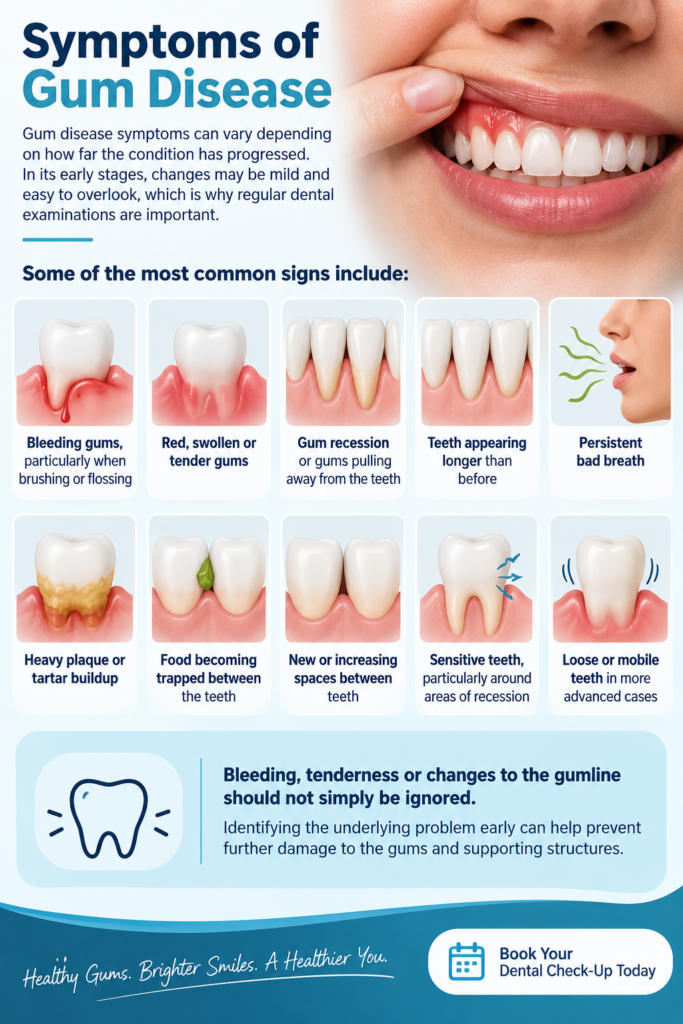
Symptoms of Gum Disease
Gum disease symptoms can vary depending on how far the condition has progressed. In its early stages, changes may be mild and easy to overlook, which is why regular dental examinations are important.
Some of the most common signs include:
Bleeding gums, particularly when brushing or flossing
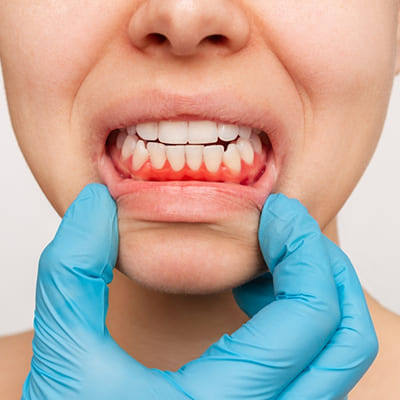
Red, swollen or tender gums
Gum recession or gums pulling away from the teeth
Teeth appearing longer than before
Persistent bad breath
Heavy plaque or tartar buildup
Food becoming trapped between the teeth
New or increasing spaces between teeth
Sensitive teeth, particularly around areas of recession
Loose or mobile teeth in more advanced cases
Bleeding, tenderness or changes to the gumline should not simply be ignored. Identifying the underlying problem early can help prevent further damage to the gums and supporting structures.
How Gum Disease Is Diagnosed
During your examination, your dentist will carefully assess your gums, teeth and the supporting structures around them. Diagnostic X-rays and specialised periodontal tools may be used to measure the attachment levels of the gum and bone around each tooth and identify areas of inflammation or periodontal pockets.
Depending on the extent of inflammation and structural changes, your gums may be classified as healthy or show signs of gingivitis or mild, moderate or severe periodontal disease. This assessment allows us to recommend the most appropriate treatment and maintenance plan for your individual needs.
Gingivitis Treatment
Gingivitis is the earliest stage of gum disease and causes inflammation of the gums surrounding the teeth. Common signs include redness, tenderness, swelling and bleeding gums, especially during brushing or flossing.
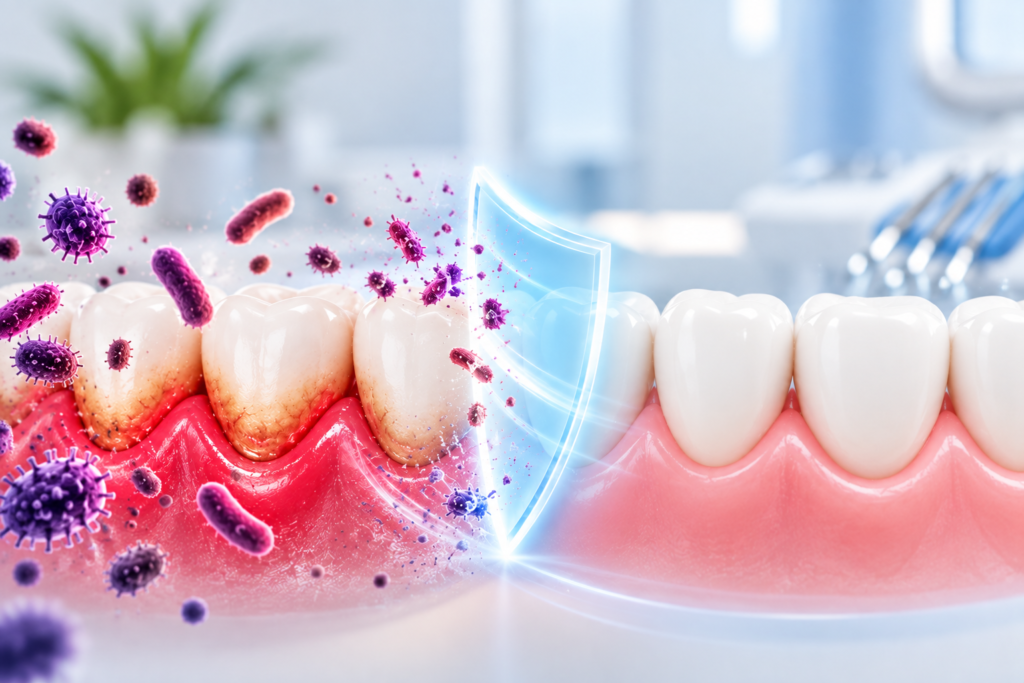
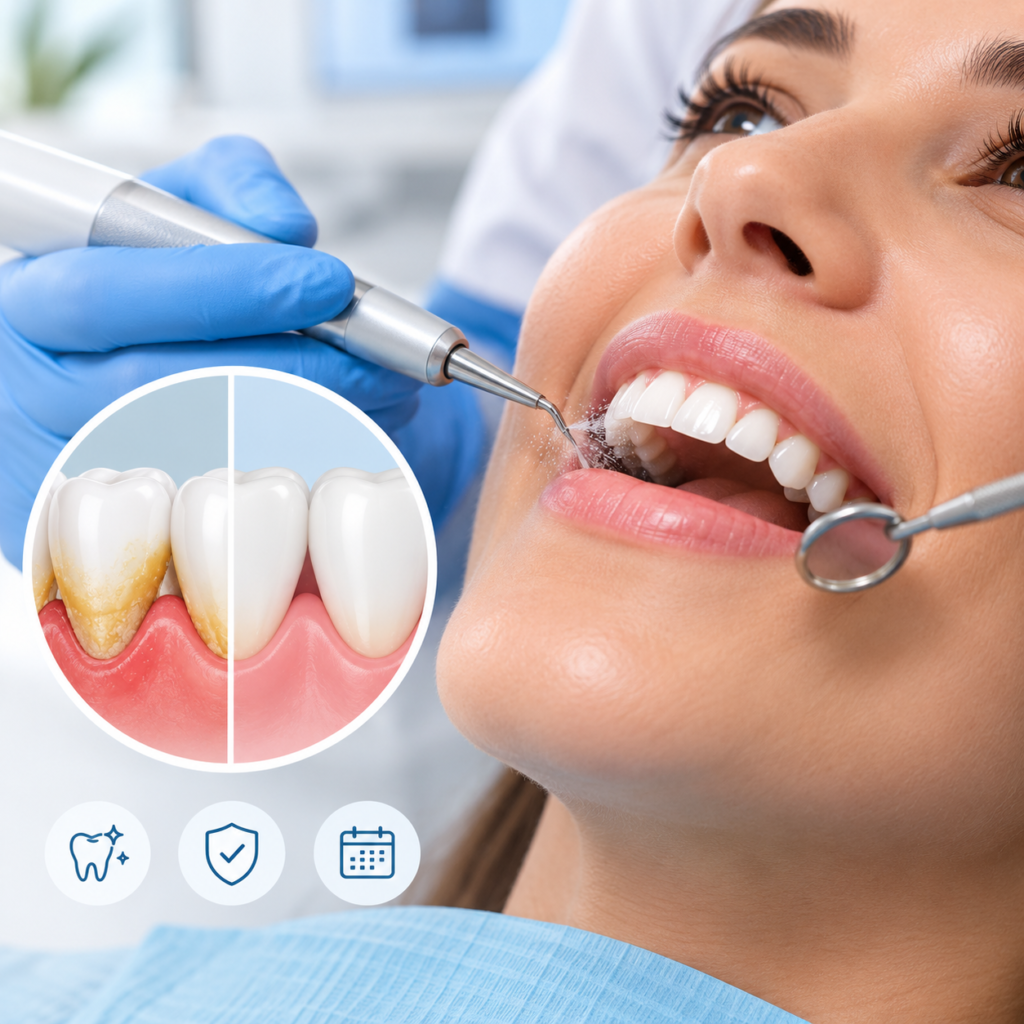
Unlike more advanced periodontal disease, gingivitis can usually be reversed when it is identified and treated early. Gingivitis treatment typically combines professional dental cleaning with improved daily oral hygiene to remove the plaque and bacteria responsible for inflammation.
With consistent brushing, interdental cleaning and regular professional care, many cases of gingivitis can improve within a relatively short period. Treating gingivitis early is particularly important because untreated inflammation may eventually progress and begin affecting the deeper supporting structures around the teeth.
Periodontal Therapy for Advanced Gum Disease
If gingivitis is left untreated, it can progress into periodontitis. At this stage, infection and inflammation extend deeper beneath the gumline and can affect the tissues and bone that support the teeth.
As periodontal pockets become deeper, bacteria can accumulate in areas that are difficult to clean effectively at home. Over time, this can contribute to bone loss, increased gingival recession, tooth mobility and eventually tooth loss.
Periodontal therapy is designed to control the infection, thoroughly clean affected areas and protect the structures supporting your teeth. The exact treatment will depend on the severity of the condition and the depth of the periodontal pockets. Following active treatment, ongoing professional maintenance is important to help keep gum disease under control and protect your long-term oral health.
Gum Disease Treatment Options
Deep Cleaning
Routine professional cleaning plays an important role in preventing gum disease. However, when there is significant tartar buildup or deeper periodontal pockets, a more thorough deep cleaning may be required.
Deep cleaning removes plaque, tartar and bacteria from areas around and below the gumline that cannot be effectively reached through normal brushing and flossing. Depending on the extent of the condition, treatment may be completed over two or more appointments to ensure your comfort and allow each area to be cleaned thoroughly.
Periodontal Maintenance
After active gum disease treatment, regular periodontal maintenance helps prevent the condition from becoming active again. These appointments allow your dentist to monitor the gums, remove new bacterial deposits and identify any changes before they become more serious.
Depending on your individual periodontal health, maintenance appointments may be recommended approximately every three to four months rather than the standard six-month cleaning schedule.
The right treatment depends on the stage of the disease. Early gum inflammation may improve with professional cleaning and better daily oral hygiene, while more advanced gum disease may require deep cleaning, periodontal therapy and ongoing maintenance. A dental examination is the best way to determine which treatment is appropriate.
Common bleeding gums causes include plaque buildup along the gumline, gingivitis and brushing or flossing irritated gums. Persistent bleeding can also be a sign of more advanced gum disease, so it is worth having your gums examined if the problem continues.
Gingivitis is inflammation of the gums and is considered the earliest stage of gum disease. It is commonly caused by plaque accumulating around the gumline and may cause redness, swelling, tenderness or bleeding. When treated early, gingivitis is generally reversible.
Yes. Gum disease can contribute to persistent bad breath because bacteria and plaque can accumulate around and below the gumline. Treating the underlying gum condition and maintaining good oral hygiene can help address the cause rather than simply masking the smell.
Gum tissue that has been lost through gingival recession does not typically grow back on its own. However, treatment can help address the cause, prevent further recession and protect exposed areas. In certain cases, additional periodontal procedures may be recommended depending on the extent of the recession.